January 5, 2026
Concrete projects can dramatically improve the durability, functionality, and appearance of a property when they are planned and prepared correctly. From driveways and walkways to patios and custom finishes, preparation plays a major role in how well the final surface performs over time. Skipping key steps can lead to cracking, drainage issues, or design regrets that are difficult to correct later. Taking time upfront to prepare your property sets clear expectations and helps ensure a smoother construction process from start to finish.
Evaluate And Plan The Project
Proper planning establishes the foundation for every successful concrete project. Before any material is poured or equipment arrives, it is essential to understand the site conditions, intended use, and overall scope of work. Careful evaluation reduces surprises and aligns expectations between property owners and contractors.
Assessing the site involves looking closely at drainage patterns, slope, and accessibility for equipment. Poor drainage or uneven grades can shorten the lifespan of concrete and lead to premature wear. Measuring the area accurately also helps determine material quantities and whether specialized equipment will be required. These early observations make it easier to anticipate challenges and address them before work begins.
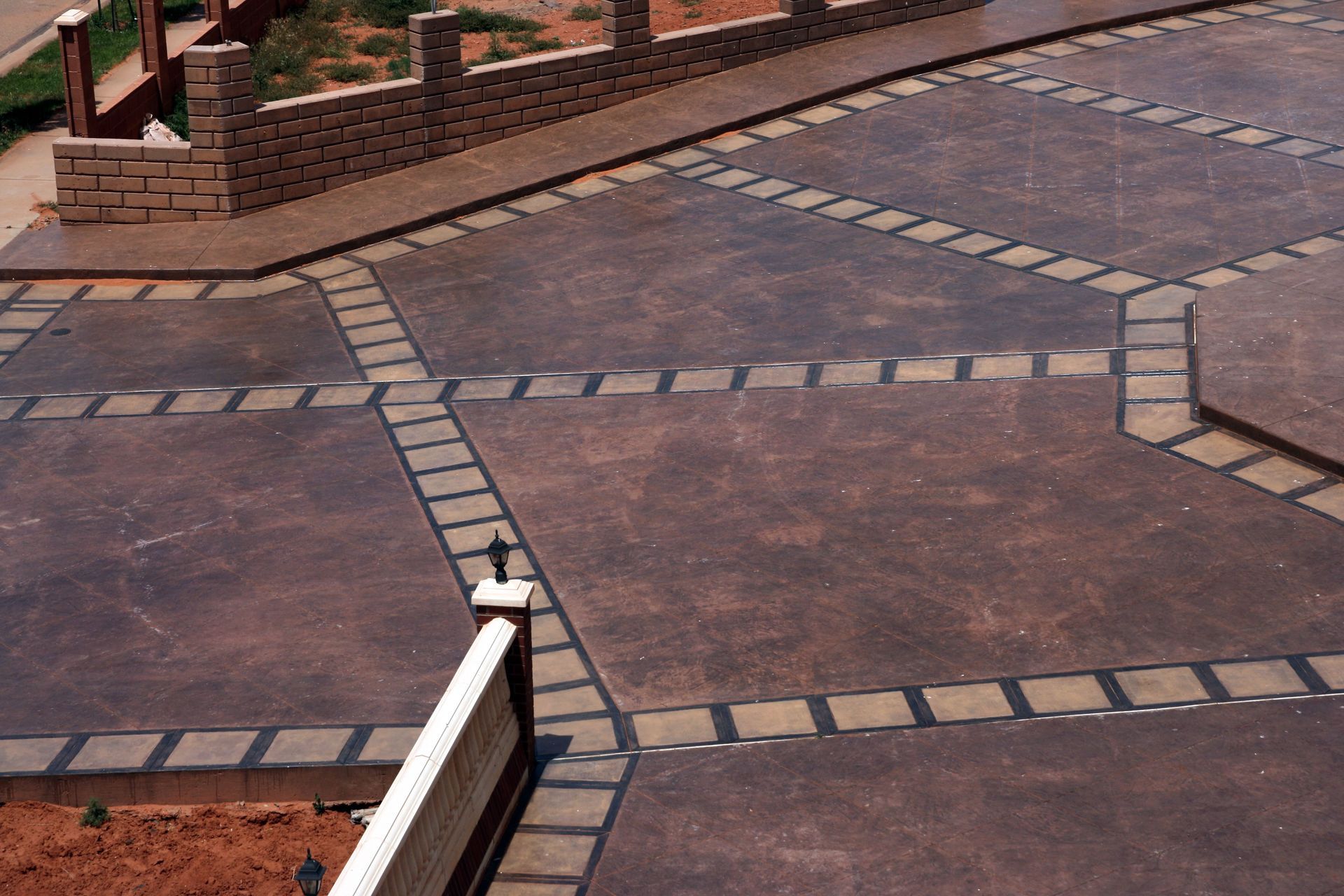
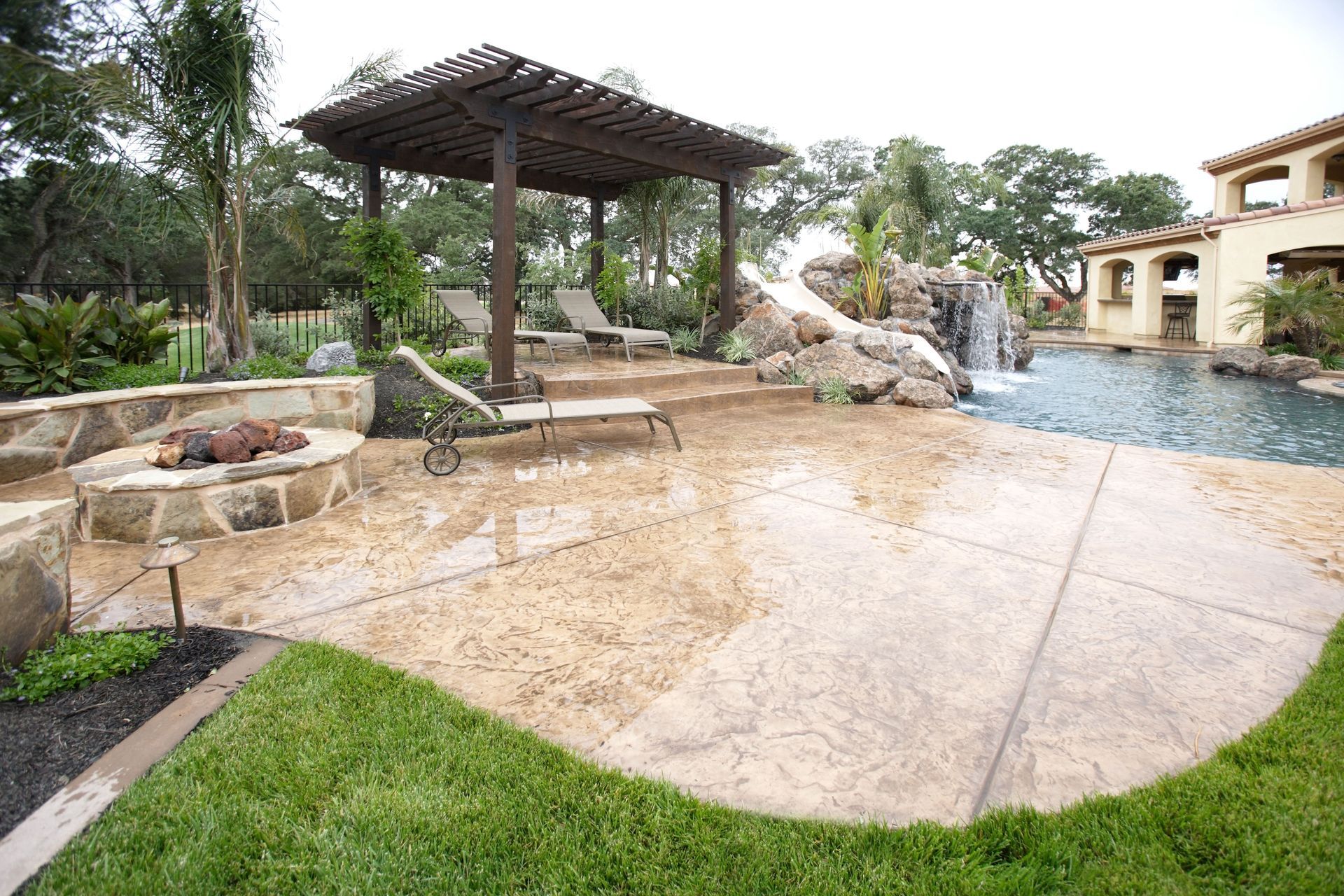
Purpose and design decisions should be made early and thoughtfully. A driveway, patio, or walkway all serve different functions and require different performance characteristics. Decorative elements such as color treatments or concrete staining can influence preparation requirements, including surface texture and curing methods. Establishing these goals in advance allows contractors to tailor recommendations and construction methods to match both form and function.
Budget planning is another critical component of this stage. Costs can vary based on project size, site preparation needs, design complexity, and finish selections. Researching market rates and building in a contingency buffer helps protect against unexpected expenses. With more than 99,000 concrete contractors operating across the United States according to IBISWorld, property owners have ample opportunity to compare pricing, experience, and service offerings to find the right fit.
Consulting with professionals during planning provides valuable insight into design feasibility, material selection, and regulatory considerations. Experienced contractors can identify potential issues early and suggest practical solutions that align with local conditions. They can also advise on whether specialty finishes such as concrete staining are appropriate for the intended use and environment, helping avoid costly revisions later.
Permits should also be addressed during this phase. Many concrete projects require local approvals, especially when altering structures, grading land, or impacting drainage. Securing permits early prevents delays and ensures the project complies with local building codes and zoning requirements.
Prepare The Site Thoroughly
Once planning is complete, physical site preparation becomes the focus. A well-prepared site supports structural stability, improves workflow efficiency, and enhances safety throughout construction. Clearing the area is the first step. This involves removing vegetation, debris, old concrete, and any obstacles that could interfere with excavation or form placement. Tree roots and buried materials can compromise the integrity of the slab if not properly addressed. A clean site allows for accurate measurements and reduces the risk of future settlement issues.
Marking the perimeter provides a visual guide for the entire project. Stakes, string lines, and layout markings help define boundaries and ensure the concrete is placed exactly where intended. Accurate markings prevent over-pouring, protect neighboring areas, and help integrate the new surface seamlessly with existing structures. Reviewing these markings with contractors ensures everyone is aligned before work progresses. Leveling the ground is essential for durability and proper drainage. The leveling process typically involves removing excess soil, filling low spots, and compacting the base to create a uniform surface. A stable, compacted base also supports decorative finishes and helps maintain consistency when applying treatments like concrete staining.
Checking for underground utilities is a critical safety step. Before excavation begins, utility lines should be located and clearly marked to avoid damage and service disruptions. Coordinating with utility providers and communicating findings to all crew members minimizes risk and supports compliance with safety regulations. Drainage planning should not be overlooked. Water is one of the most common causes of concrete deterioration. Installing proper drainage systems, such as sloped grading or drains, helps direct water away from the slab. Effective drainage protects both structural integrity and surface appearance, especially for projects incorporating decorative finishes or outdoor living spaces.
Select Materials And Equipment Carefully
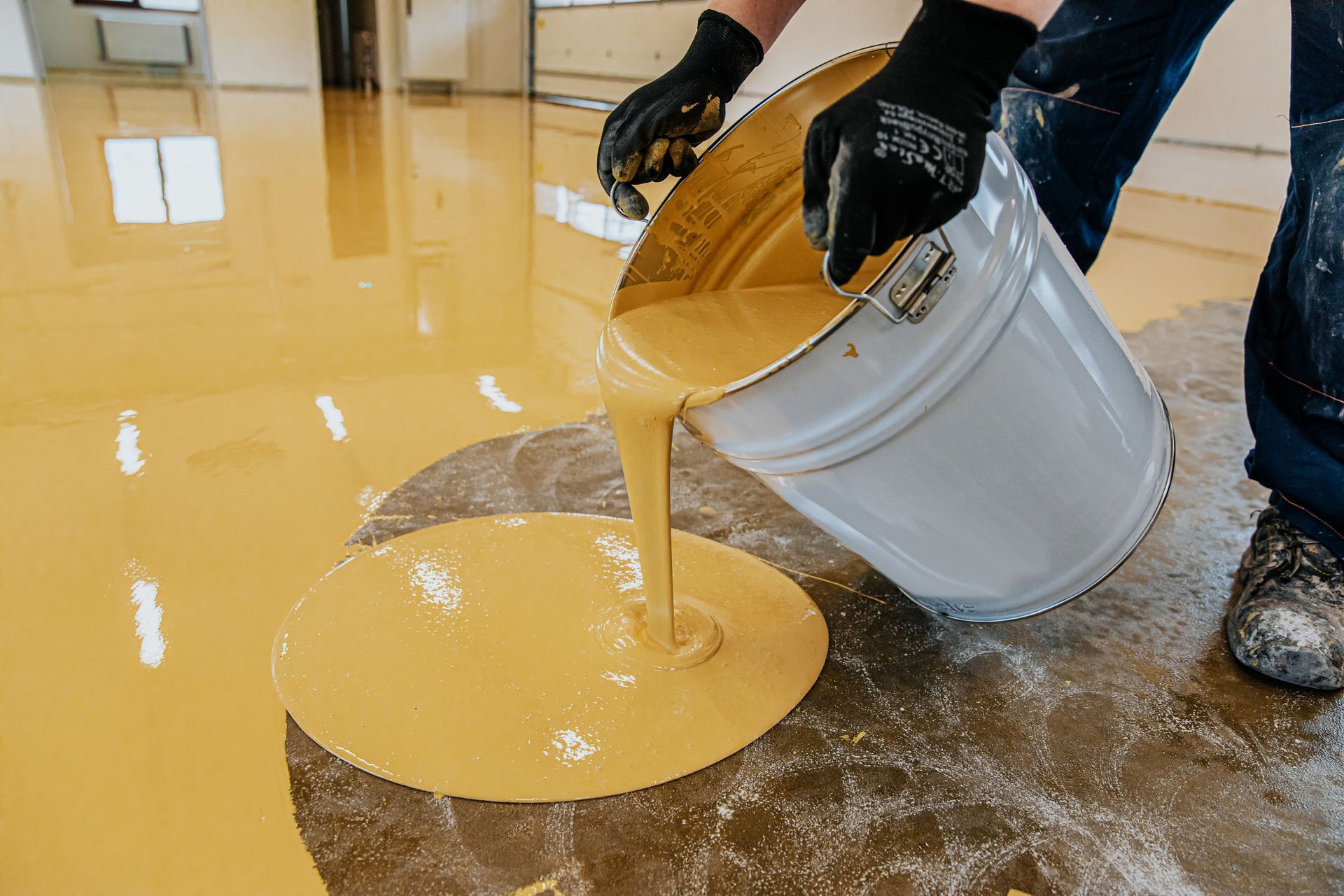
Material and equipment choices directly influence the performance and longevity of concrete work. Choosing the appropriate concrete mix is a foundational decision. Factors such as load requirements, exposure to weather, and intended use all affect mix selection. Exterior surfaces may require additives for freeze-thaw resistance, while decorative applications may need smoother finishes or specialized curing processes. Contractors can recommend mixes that support durability while accommodating design features like concrete staining.
Tool preparation is equally important. From mixers and screeds to trowels and finishing tools, having the right equipment on hand improves efficiency and accuracy. Advanced tools such as laser levels can enhance precision during leveling and finishing. Renting specialized equipment can be a cost-effective solution for complex projects without sacrificing quality. Sourcing quality materials supports long-term performance. High-grade aggregates, cement, and reinforcement materials reduce the likelihood of cracking and surface defects. For decorative applications, testing samples in advance helps confirm color, texture, and finish expectations.
Coordinate With Experienced Professionals
Effective collaboration with contractors keeps the project on track and minimizes miscommunication. Clear expectations, regular updates, and shared documentation all contribute to a smoother process. Discussing timelines and logistics upfront helps coordinate material deliveries, equipment access, and crew scheduling. This is particularly important in residential areas where space and access may be limited. Open communication allows contractors to plan efficiently and respond quickly to changes.
Professional guidance is especially valuable when incorporating specialty finishes such as concrete staining. Proper surface preparation, curing, and sealing are essential for achieving consistent results. Contractors with experience in custom finishes can recommend techniques that enhance appearance while maintaining durability. Documentation also plays an important role. Written agreements outlining scope, materials, timelines, and costs help protect all parties and reduce misunderstandings.
Maintain Focus On Long-Term Performance
Preparation does not end when concrete is poured. Considering long-term maintenance during the planning and construction phases helps protect your investment. Curing processes should be followed carefully to allow the concrete to reach its full strength. Environmental conditions such as temperature and humidity can affect curing time and surface quality. Contractors can advise on appropriate curing methods based on project specifics.
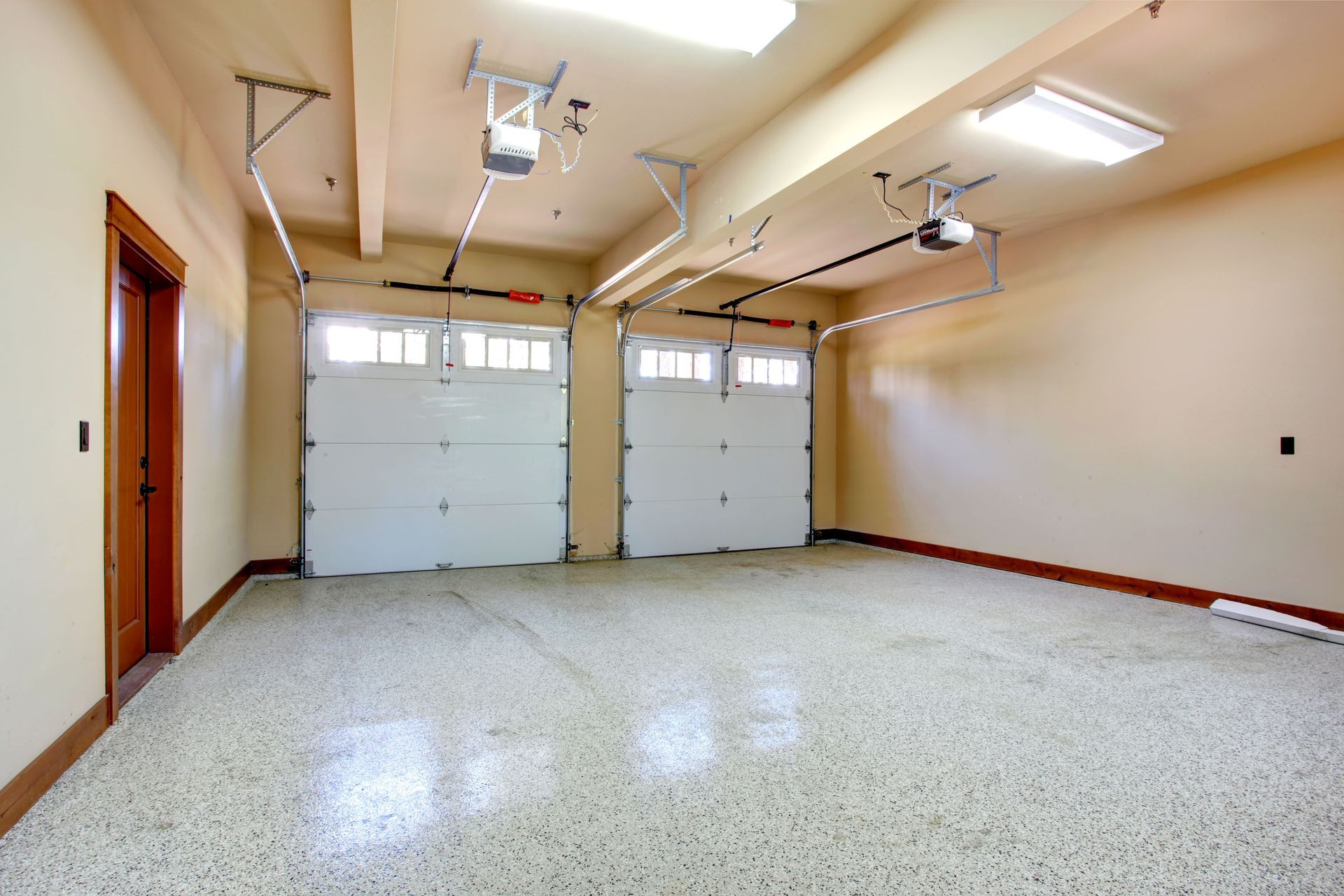
Protective measures, including sealants, help guard against moisture intrusion, staining, and surface wear. For decorative surfaces, sealing is especially important to preserve color and finish consistency. Regular inspections and basic maintenance extend the lifespan of the concrete and keep it looking its best. Planning for future use also matters.
Bringing It All Together
Preparing your property for concrete services is a detailed process that rewards careful planning and professional collaboration. From evaluating the site and setting a realistic budget to selecting materials and coordinating with experienced contractors, each step contributes to a stronger, more attractive result. Thoughtful preparation reduces risks, controls costs, and supports finishes such as concrete staining that require precision and expertise.
If you are planning a concrete project in the Louisville, KY area and want guidance from a team that values quality preparation and lasting results, reach out to Custom Concrete Finishes LLC. With a focus on concrete services and custom finishes, free estimates, and attention to detail from start to finish, they are ready to help you move forward with confidence.